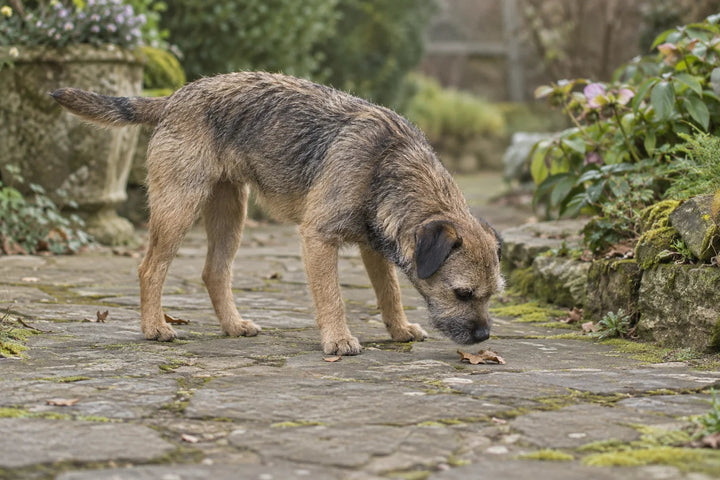
Border Collie Grooming: Rough and Smooth Coat Care

A Border Collie that has spent the day moving through grass may need a careful debris check more than a haircut. The coat should remain natural, whether it is the longer rough variety or the shorter smooth variety.
The useful routine combines regular brushing with quick checks after activity. Pay attention to the places where loose hair, dampness and plant material collect, rather than treating the visible back as the whole grooming job.
Rough or smooth, preserve the coat. Both varieties need loose-hair care and regular foot checks. Routine body clipping is not necessary for a tidy, comfortable Border Collie.
Identify the coat you are maintaining
The AKC Border Collie profile describes two dense, weather-resistant double coats. Rough coats have more feathering; smooth coats are shorter and coarser. Both benefit from regular brushing, with additional attention during heavier shedding.
A rough coat may need more checking behind the ears, beneath the chest and through the leg and tail feathering. A smooth coat still needs attention at the neck, thighs and under equipment. Length changes where you spend time, not whether the dog needs grooming.
Do not compare your dog with a much fuller-coated example and assume something is missing. Natural coat length varies, and the grooming aim is comfort and condition rather than maximum volume.
Make a post-activity check part of coming home
- Inspect the lower legs and feet for mud or loose plant material.
- Look between the toes without forcing them widely apart.
- Check chest, belly and tail feathering where present.
- Remove the harness when safe and inspect the coat beneath it.
- Gently remove ordinary debris or rinse local dirt.
- Dry cleaned areas and equipment before the dog settles.
If an object is embedded, painful or tangled tightly against the skin, do not dig or cut it out. Get appropriate help. A quick inspection is useful precisely because it finds these problems before the next long grooming session.
Give an energetic dog time to settle. Grooming on a secure mat is easier than trying to catch a paw while the dog is still focused on the next game.
Work through small sections
Start with a suitable brush and light pressure. Part the coat so you can check beneath the surface, then move methodically along the body. Pay attention to the armpits and thicker rear coat without repeatedly scraping the same area.
On longer feathering, support a loose section and work gently from the ends through any manageable tangles. A VUNRO combination comb can check the result. Use wider teeth first and stop if they catch.
A comb should confirm that hair is free; it should not be forced through resistance. Tight mats need professional assessment. Never put scissors under a mat when you cannot see the skin clearly.
The AKC's double-coat guidance distinguishes releasing loose undercoat from shaving it away. Ask a groomer to demonstrate an undercoat tool rather than learning by applying more pressure.
Wash for the condition, not the calendar
Local cleaning often handles muddy feet or lower feathering. A full bath is useful when the whole coat is dirty or has residue that brushing cannot remove.
Check for tangles first, use a non-slip bath surface and follow the instructions on a dog shampoo. Rinse underneath and through thicker areas as carefully as over the back. Keep direct water spray away from the face and ears.
Press out water with towels. If using a dog dryer, introduce it gradually, choose a comfortable setting and keep airflow moving away from the face. Never leave the dog unattended with drying equipment.
Feel at the roots, not just the surface, before calling the dog dry. Once fully dry, gently brush and recheck the longer areas. Blue Cross's bathing guide supports adapting the schedule to the dog's coat and activities.
Exercise does not replace nail checks
Running on grass may produce different nail wear from walking on paving. Check each foot regularly, including dewclaws, instead of assuming an active dog needs no maintenance.
The VUNRO nail grinder can smooth small amounts gradually when the dog accepts the noise. Keep feathering away from the rotating head, use short contacts with pauses and stay clear of the quick. Ask a groomer to demonstrate a safe margin if you are uncertain.
Have a professional assess any foot hair that interferes with grip. Neatening a specific area does not require turning the body coat into a short haircut.
Make the routine easy to repeat
Keep the main brush and clean towels ready near your usual settling area. Use brief familiar sessions rather than saving everything for a long weekend task.
Stop at pain, damaged skin or a sudden unusual coat change and seek appropriate assessment. For ordinary maintenance, the finish is simple: natural coat, clear feathering, dry roots and comfortable feet.
Keep learning
More from the Blade Blog
Whippet Grooming: Gentle Coat Care and Comfortable Nails
Read the guide →
Chihuahua Grooming: Smooth Coats, Long Coats and Tiny Paws
Read the guide →